
Dr. Archana Mal ·
How to Brush Your Teeth Properly: A Simple Guide for a Healthy Smile
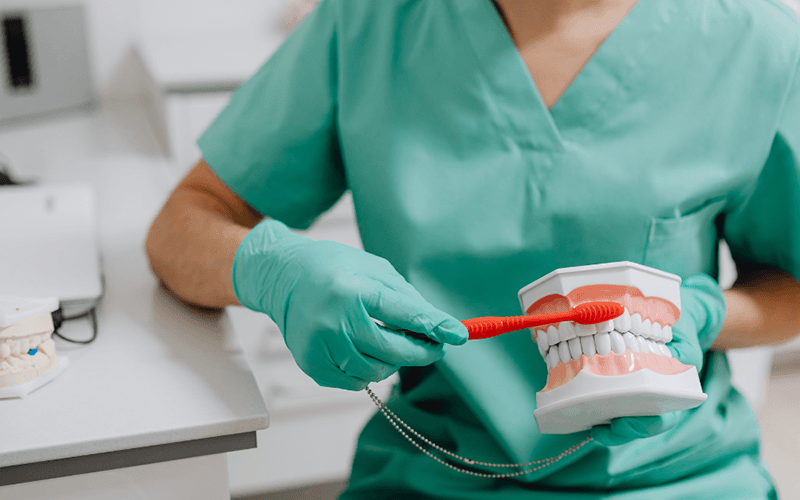
A gentle two-minute routine helps clean every tooth surface. Follow these simple steps and ask your dentist for advice that suits you.
Why proper brushing matters
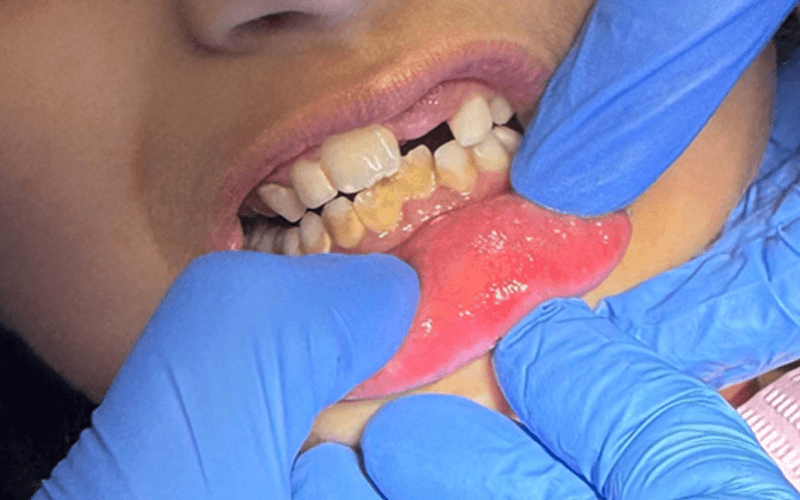
Plaque is a sticky film of bacteria that forms on teeth every day. Brushing helps remove plaque from the tooth surfaces and gumline. If plaque is left in place, it can contribute to tooth decay and gum inflammation. Over time, it may harden into tartar, which cannot be removed with a toothbrush and needs professional cleaning.
A gentle, thorough routine supports your oral health and helps keep your mouth feeling fresh. Brushing is one part of daily care; it works best alongside cleaning between your teeth and regular dental advice.
What you need before you start
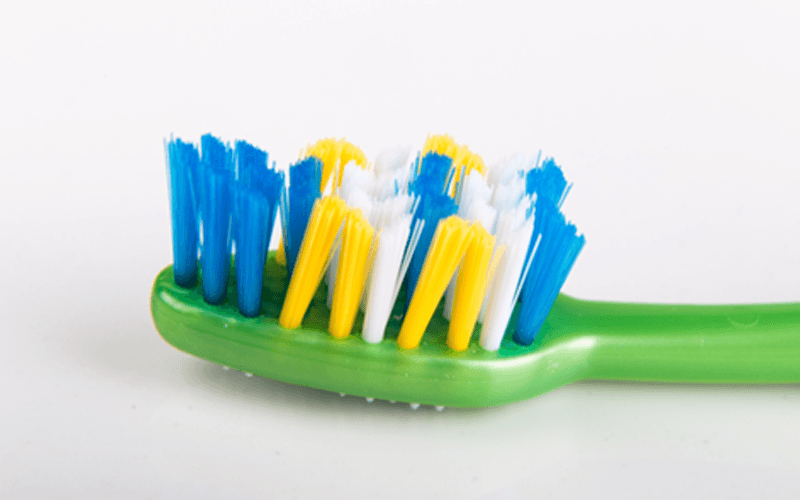
Choose a toothbrush with soft bristles and a head that feels comfortable and lets you reach the back teeth. A manual or powered brush can work well when used gently. Use fluoride toothpaste and replace the brush every three to four months, or sooner if the bristles are worn or frayed.
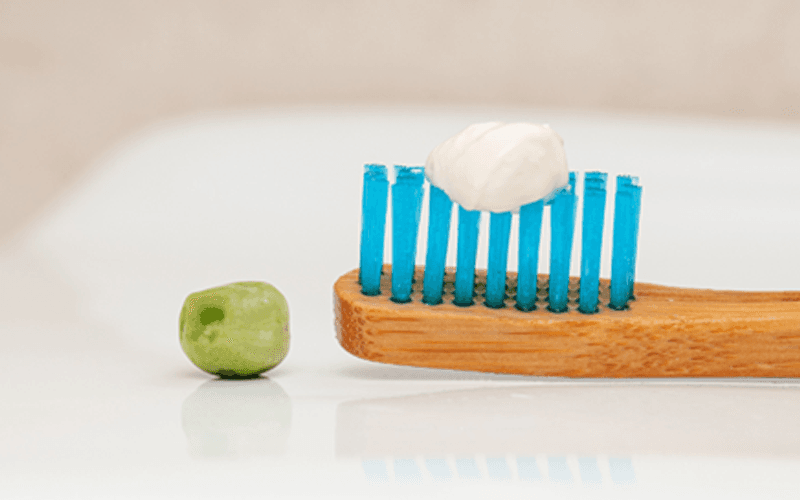
For most adults, a pea-sized amount of toothpaste is enough. Young children need an age-appropriate amount, so ask your dentist or follow trusted guidance for the child’s age.
Use the right amount of toothpaste
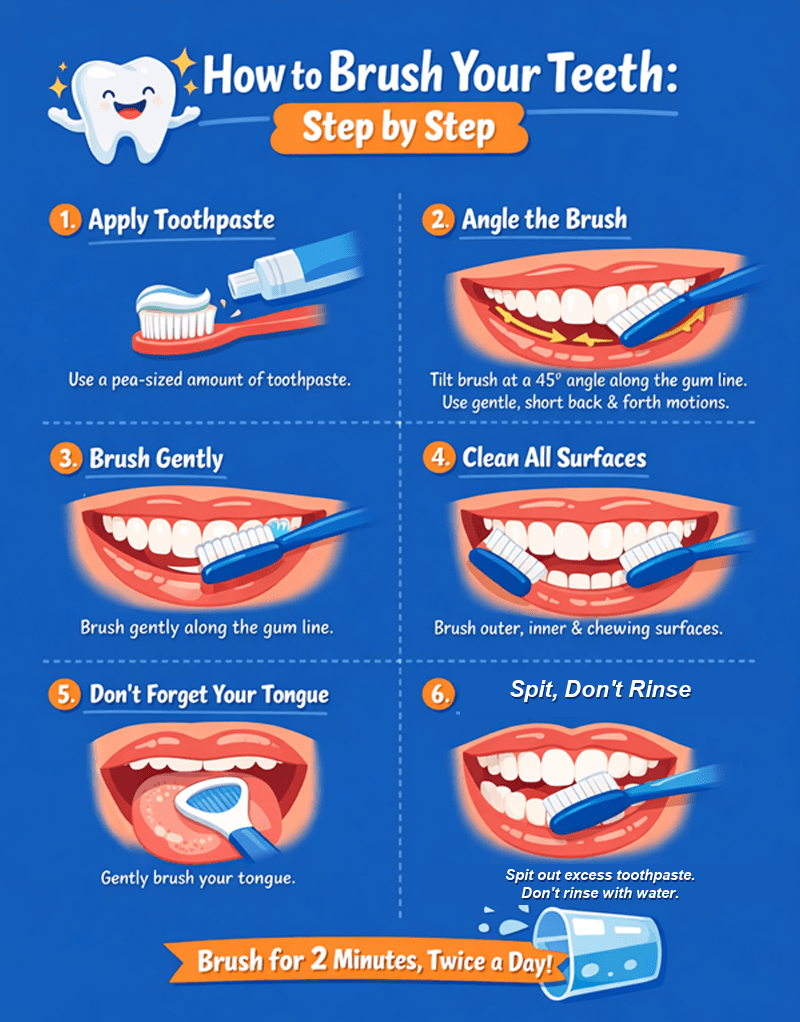
For an adult, place a pea-sized amount of fluoride toothpaste on the brush. Using more does not clean teeth better. Children need smaller amounts depending on their age, and an adult should supervise young children so they do not swallow toothpaste.
Angle the brush towards the gumline
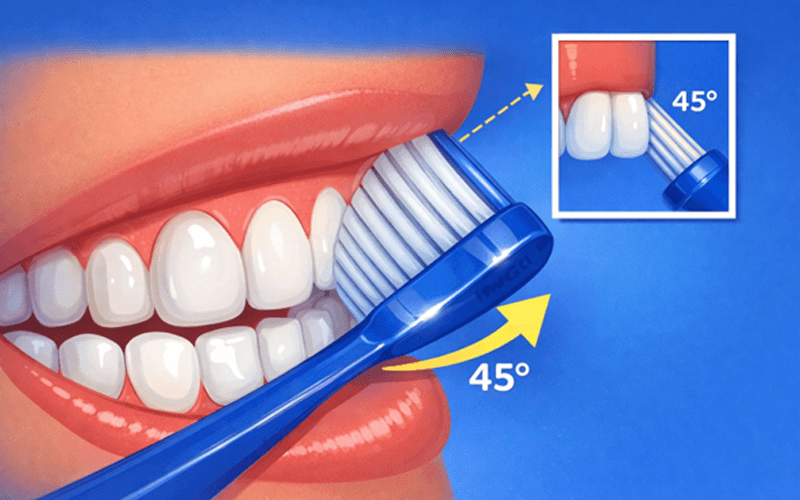
Rest the bristles gently against the teeth where they meet the gums, with the brush angled towards the gumline. Use short, gentle strokes. There is no need to scrub hard; firm pressure can irritate the gums and make brushing uncomfortable.
Clean every surface
Follow a steady route around your mouth so you do not miss teeth. Brush the outer surfaces, the inner surfaces and the chewing surfaces of both upper and lower teeth. To clean the inner surfaces of the front teeth, turn the brush upright and use gentle strokes.
Spend about two minutes brushing your whole mouth. A timer can help until the routine feels familiar. Give extra attention to the back teeth and the gumline, where plaque can be easy to miss.
Brush your tongue gently
Gently brush your tongue to remove surface build-up and help keep your mouth feeling fresh. Use light pressure and rinse the toothbrush after use. If you have ongoing bad breath, ask a dentist about possible causes rather than relying on brushing alone.
Spit, do not rinse straight away
After brushing, spit out the excess toothpaste. Avoid rinsing your mouth with water immediately, as this can wash away some of the fluoride left on your teeth. Try not to eat or drink for about 30 minutes after brushing. If your dentist has given you specific instructions for a prescribed toothpaste or mouthwash, follow those instructions.
Common brushing mistakes to avoid
Brushing too hard, using a worn or hard-bristled brush, rushing through the two minutes, missing the inner surfaces or skipping the bedtime brush can leave plaque behind or irritate your gums. Replacing the brush when its bristles become frayed helps you keep cleaning effectively.
If brushing causes pain or your gums bleed repeatedly, do not simply press harder or stop cleaning the area. Ask your dentist to check what may be causing it and show you a comfortable technique.
How often should you brush?
Brush twice a day for about two minutes: once before bed and once at another time during the day. Bedtime brushing is especially useful because it removes plaque before you sleep. Clean between your teeth once a day with floss or another suitable interdental cleaner.
The timing of dental check-ups depends on your needs. Follow the interval your dentist recommends rather than assuming the same schedule works for everyone.
Small habits that support a healthy smile
Limit frequent sugary foods and drinks, drink water regularly and keep up your daily cleaning routine. If you have braces, dental restorations, sensitive teeth or difficulty holding a brush, your dentist can suggest tools and techniques that may be easier for you.
A few careful minutes twice a day can make daily cleaning more thorough. If you are unsure about your technique, ask your dentist to demonstrate it at your next visit.
